
The evolution of gambling tracing its history through time
Ancient Beginnings of Gambling
The history of gambling can be traced back to ancient civilizations, where games of chance and skill were integral to cultural practices. The earliest known forms of gambling appeared in Mesopotamia around 3000 BC, using rudimentary dice made from knucklebones. This early form of entertainment laid the foundation for more complex gambling activities that would evolve over millennia. Today, platforms like Winward Casino exemplify these developments, offering a vast array of gaming options to players.
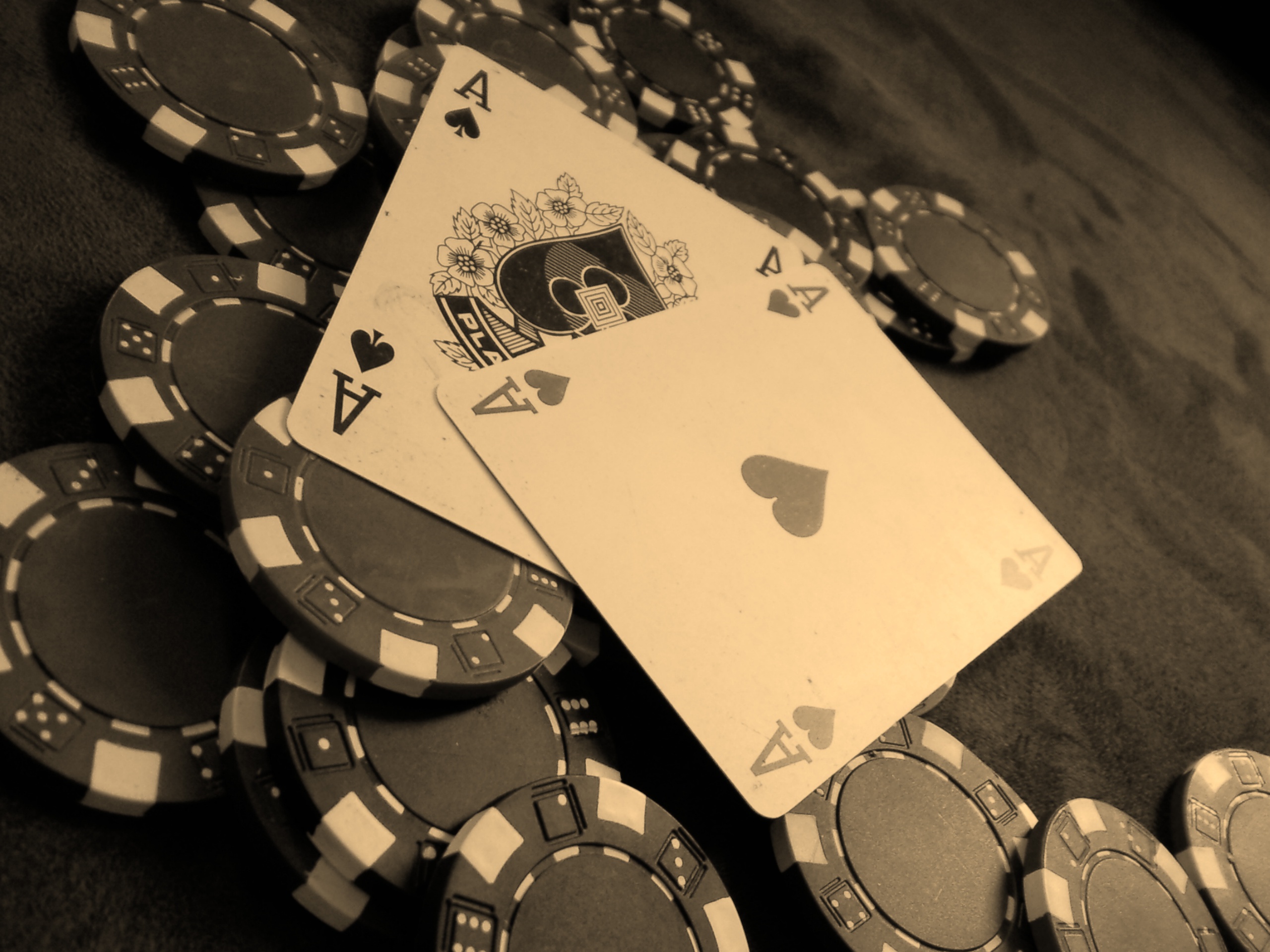
In ancient China, evidence of gambling dates back to around 200 BC, where people engaged in activities similar to lottery systems. The Book of Songs, an ancient Chinese text, references gambling as a popular pastime. These early games were not merely for entertainment but often had social and political significance, allowing people to stake their fortunes on outcomes that were sometimes beyond their control.
The Rise of Organized Gambling
The Middle Ages witnessed the establishment of organized gambling in Europe. The introduction of card games in the 14th century, believed to have originated from Asia, transformed the gambling landscape. As these games spread, they became popular among the nobility, leading to the creation of formal gaming houses and establishments.
By the 17th century, gambling had become a significant social activity in Europe, with the founding of the first official casino in Venice in 1638. This period marked a shift towards regulated gambling, with establishments adhering to specific rules and offering a variety of games, which attracted a diverse clientele looking to test their luck and strategy.
Gambling in the Modern Era
The 19th century saw a transformation in gambling, particularly with the advent of the Industrial Revolution. The increased availability of leisure time and the rise of the middle class contributed to the popularity of gambling activities. The establishment of racetracks and betting on horse races became widespread, reflecting societal changes in attitude towards gambling.
Moreover, the introduction of slot machines in the late 1800s revolutionized the gambling industry. The first mechanical slot machine, known as the Liberty Bell, captured the imagination of players, offering a new form of entertainment that was easy to access and play. This innovation paved the way for the modern casino experience we recognize today.
The Psychology of Gambling
The evolution of gambling also includes an understanding of the psychology behind it. Research indicates that many individuals are drawn to gambling due to its exhilarating nature and the potential for significant rewards. The thrill of taking risks and the possibility of winning can create a compelling experience, often leading to repeated participation.
However, the psychological aspects of gambling can lead to problematic behavior for some. The excitement associated with wins can overshadow the potential for loss, creating a cycle that is difficult to break. Understanding these psychological factors has become crucial in developing responsible gambling measures and support systems to help those affected by gambling addiction.
Conclusion on the Evolution of Gambling
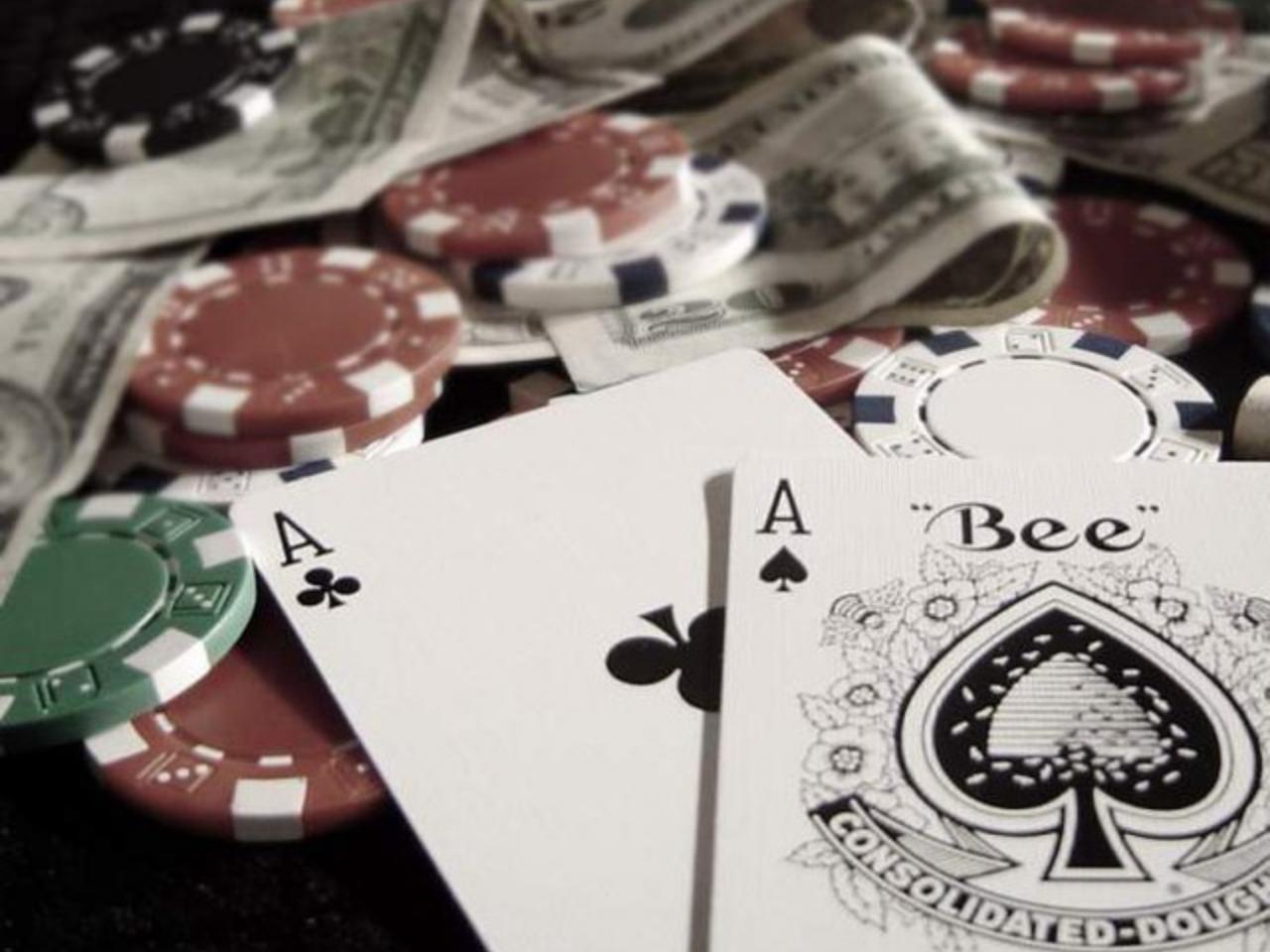
As we trace the history of gambling through time, it is evident that this activity has evolved significantly from its ancient origins to modern-day practices. With the rise of online gaming platforms, like Winward Casino, gambling has become more accessible than ever. These platforms offer a wide range of games and attract a diverse audience seeking entertainment and excitement.
Winward Casino exemplifies the modern gambling experience, combining technology and psychology to create a unique environment for players. With generous welcome packages and a commitment to fast payouts, it embodies the evolution of gambling in today’s digital world, continuing to captivate players around the globe.
Thank you for reading!