
The Nature of Chance in Gambling
In the realm of gambling, chance plays a pivotal role in determining outcomes. Casino games are often designed to rely on random number generators or shuffling techniques that ensure unpredictability. This inherent randomness leaves players at the mercy of luck, leading many to believe that fortune can sway the results of their games. For those looking for more privacy in their gaming experiences, options like anonymous casinos can provide a unique way to engage without revealing personal information. However, while luck is undeniably a factor, understanding its role in conjunction with skill and strategy is crucial for any serious gambler.
Luck manifests in various forms within a casino setting. For instance, one might experience a streak of winning hands in poker or hit the jackpot on a slot machine, giving rise to the notion that favorable outcomes are merely serendipitous. These instances can create an illusion of control, leading players to attribute their success to a higher power or sheer chance. Yet, it’s essential for players to recognize that each game round is independent, and past results do not influence future outcomes.
In games of pure chance, such as roulette or baccarat, players often feel that luck is their best friend or worst enemy. The excitement of spinning a wheel or drawing cards can overshadow the mathematical probabilities behind the games. While a player may win big in one session, another may leave empty-handed. This variability reinforces the idea that luck can indeed change one’s fate, albeit temporarily, and further complicates the relationship between skill and chance in gambling.
The Role of Skill and Strategy
Despite the prevailing influence of luck, skill and strategy are integral components that can significantly impact a player’s success at the casino. In games like poker, for example, understanding the odds and employing effective strategies can shift the balance away from sheer chance. A skilled player can read opponents, manage their bankroll wisely, and make calculated decisions that increase their chances of winning, thereby demonstrating that luck alone is not the sole determiner of fate.
Many gambling enthusiasts advocate for a strategic approach to casino games. For instance, in blackjack, players who employ card counting can gain a statistical edge over the house. This combination of skill and knowledge demonstrates that while luck may play a role in a single hand, a well-thought-out strategy can yield better results over time. Thus, a gambler’s fate can reflect their expertise more than their luck.
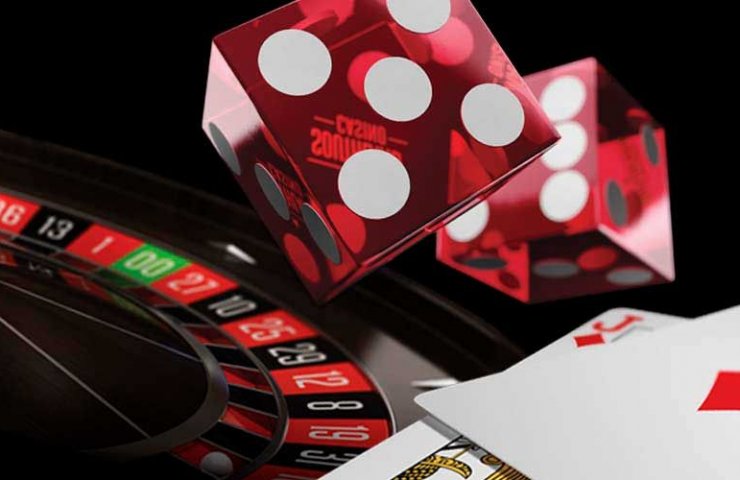
Moreover, games like craps and baccarat may also allow for the influence of strategy, albeit in varying degrees. Players who familiarize themselves with betting patterns and odds can make informed choices that may enhance their overall experience and profitability. This intersection of skill and luck showcases that while fortune may change momentarily, a strategic mindset can sustain a player’s success in the long run.
The Psychological Aspects of Luck in Gambling
The psychological aspect of luck in gambling extends beyond mere chance; it influences how players perceive their experiences and make decisions. The phenomenon of “confirmation bias” often occurs, wherein players tend to remember their wins more vividly than their losses. This selective memory can lead them to believe that they are luckier than they actually are, creating a false sense of security and encouraging further betting.
Additionally, the concept of the “gambler’s fallacy” can exacerbate this psychological dynamic. Many players operate under the misconception that past outcomes, such as a series of losses, will influence future events. This misguided thinking can lead to reckless betting behaviors, as individuals chase their perceived luck. Understanding these psychological triggers is vital for players to maintain a clear perspective and make informed decisions, allowing them to navigate their casino adventures with a balanced mindset.
Furthermore, the environment of a casino plays a crucial role in shaping a player’s perception of luck. The bright lights, sounds of victory, and the celebration of winners create a thrilling atmosphere that can amplify emotions. This sensory experience can distort a player’s judgment, making them more susceptible to believing in luck’s power. Recognizing these factors can help players stay grounded in reality, allowing them to enjoy the experience while managing their expectations of winning.
The Influence of Odds and House Edge
Understanding the odds and house edge is fundamental to comprehending how luck interacts with fate in casino games. Each game has a built-in advantage for the casino, known as the house edge, which ensures that over time, the house will always come out ahead. This mathematical reality means that luck can provide temporary advantages, but in the long run, the odds will inevitably favor the casino.
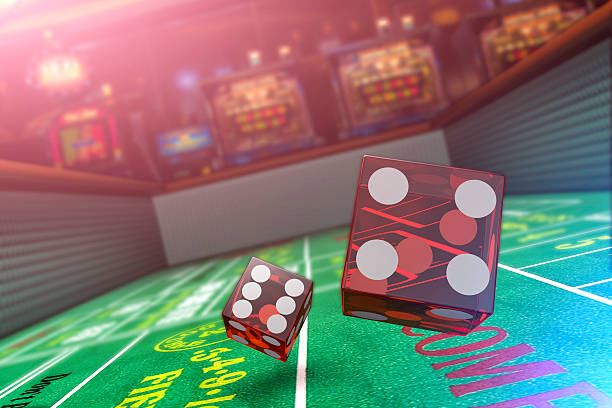
For instance, in games like roulette, the presence of the zero and double zero slots creates a mathematical advantage for the house. This means that while a player may be lucky enough to win on a specific spin, their chances of continued success over many spins are diminished. Understanding these odds can help players temper their expectations and develop more realistic strategies that account for the inherent risks of gambling.
Moreover, games characterized by a lower house edge, such as blackjack or video poker, offer players a better chance of turning luck into sustainable success. As players become more adept at understanding these odds and how they interact with their gameplay, they can enhance their ability to manage risk and potentially tilt the odds more favorably in their direction, highlighting the complex relationship between luck, strategy, and fate in gambling.
Conclusion: Navigating Luck and Fate in Gaming
In conclusion, the relationship between luck and fate in casino games is intricate and multifaceted. While luck undoubtedly plays a significant role in the outcomes of games, it is crucial for players to recognize the importance of skill, strategy, and understanding the odds. By approaching gambling with a balanced mindset, players can appreciate the thrill of chance while also equipping themselves with the tools needed to navigate their gaming experiences wisely.
Moreover, the psychological aspects of gambling should not be overlooked. Players must remain aware of their cognitive biases and emotional triggers to ensure they make informed decisions throughout their gaming journey. Ultimately, while luck may influence short-term outcomes, a combination of skill, strategy, and a grounded approach will lead to a more rewarding and sustainable gaming experience.
For those seeking further insights and expert advice on the fascinating world of casino games, our website offers a myriad of resources. Whether you are a beginner looking to understand the basics or an experienced player seeking advanced strategies, we provide valuable content that caters to all levels. Join us as we explore the captivating universe of gambling and help you navigate your path to potential success.
Thank you for reading!