
Exploring the Deep Roots of Casinos A Historical Perspective on chicken road game
The Origins of Gambling and Its Evolution
The history of gambling can be traced back thousands of years, with evidence suggesting that ancient civilizations engaged in various forms of betting. From the rudimentary games of chance played in Mesopotamia to the more organized gambling systems in ancient China, these activities were often intertwined with social, religious, and economic practices. The evolution of gambling reflects a societal fascination with luck and chance, which has persisted throughout history. The introduction of modern innovations, such as the chicken road app, showcases how these traditional practices continue to evolve.
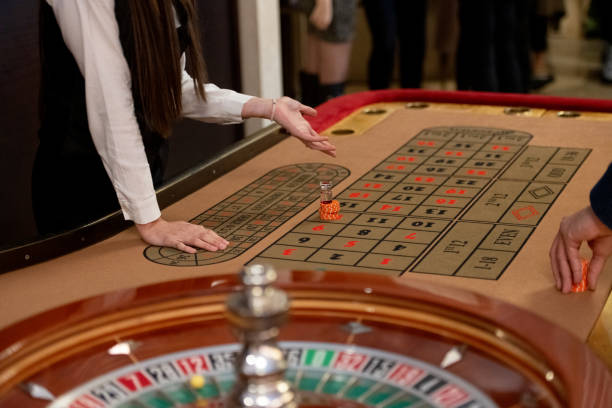
As societies progressed, the structure of gambling began to change significantly. The establishment of formal rules and regulations transformed informal betting into organized games, leading to the creation of casinos as we know them today. With the rise of the Roman Empire, gambling became more mainstream, with the development of gaming houses that attracted citizens from all walks of life. This laid the groundwork for modern gambling establishments and their influence on contemporary culture.
The introduction of card games in Europe during the Middle Ages signaled a pivotal moment in gambling history. These games quickly gained popularity, leading to the creation of various games of chance that are still enjoyed today. The expansion of these activities across borders was facilitated by exploration and trade, fostering a global exchange of gambling traditions and practices. This historical journey illustrates the deep roots of casinos, setting the stage for modern innovations like the chicken road game app.
The Rise of Casinos in the Modern Era
The modern casino landscape began to take shape in the 17th century with the establishment of formal gambling houses across Europe. The Casino di Venezia, established in Italy, is often credited as one of the first official casinos. It offered a controlled environment for gambling, combining entertainment and socialization, which quickly attracted the elite and wealthy. As cities like Paris and Monte Carlo embraced this trend, gambling became synonymous with luxury and leisure.
In the 20th century, Las Vegas emerged as the epicenter of the gambling world. The city’s transformation from a small desert town into a global entertainment hub was fueled by the legalization of gambling in Nevada. This period saw the rise of extravagant casinos that offered not just gambling but also fine dining, shows, and luxurious accommodations, further solidifying the casino’s role in popular culture. The allure of these establishments drew millions, leading to a booming industry that continues to thrive.
As technology advanced, casinos began to diversify their offerings, incorporating electronic gaming machines and online platforms. This shift was significant in attracting younger generations and adapting to changing consumer behaviors. The evolution of gambling has been marked by a constant quest for innovation, with new games and formats emerging regularly. The chicken road game app exemplifies this trend, merging traditional gambling elements with modern technology to engage players in fresh and exciting ways.
The Cultural Impact of Gambling on Society
Gambling has always held a mirror to societal norms and values, often reflecting the collective psyche of the time. In many cultures, gambling is viewed as both a pastime and a vice, leading to ongoing debates about its moral implications. Literature, films, and art have frequently portrayed the highs and lows of gambling, underscoring its dual nature as a source of entertainment and a potential pitfall.
The cultural narratives surrounding casinos often emphasize themes of luck, risk, and human behavior. Casinos serve as a microcosm of society, showcasing a spectrum of personalities and motivations. The thrill of the gamble brings people together, creating shared experiences that can be both exhilarating and detrimental. This complexity ensures that gambling remains a topic of interest and contention across various platforms, from traditional media to modern gaming apps.
As gaming technology continues to evolve, it has also prompted discussions about responsible gambling and addiction. Many jurisdictions are implementing measures to promote safe gambling practices, recognizing the potential risks involved. The development of apps like the chicken road game reflects a growing awareness of these issues, incorporating features that encourage responsible play while still offering engaging entertainment for users.
Future Trends in Gambling and Technology
The future of gambling is increasingly intertwined with advancements in technology, paving the way for new trends and experiences. The integration of artificial intelligence and virtual reality is beginning to reshape how players interact with games. These technologies provide immersive experiences that can transport players to virtual casinos, enhancing the overall gaming experience. As these innovations continue to develop, they will likely redefine player engagement.
Mobile gaming is another crucial aspect of the future of casinos. The proliferation of smartphones has made gambling more accessible than ever, allowing players to enjoy games like chicken road on-the-go. This convenience not only attracts a younger demographic but also offers opportunities for casinos to reach a broader audience. As apps evolve, they will incorporate more social features, fostering community and competition among players.
Blockchain technology also holds promise for the future of online gambling. Its implementation can enhance security and transparency, addressing some of the longstanding concerns associated with online gaming. By ensuring fair play and secure transactions, blockchain could significantly enhance user trust in digital gambling platforms. As the industry embraces these technological advancements, the chicken road game app exemplifies the potential for innovation in creating unique and engaging experiences for players.

Conclusion and Insights on the Website
In conclusion, the historical perspective on casinos reveals a rich tapestry woven with cultural significance, societal impacts, and the evolution of gambling practices. From ancient civilizations to modern-day gaming apps like chicken road, the journey illustrates humanity’s enduring fascination with chance and luck. The casino landscape has transformed drastically over centuries, adapting to societal changes and technological advancements.
As we look ahead, the future of casinos will likely be shaped by ongoing innovations and emerging trends. The integration of technology will enhance the user experience, making gambling more engaging and accessible. Websites dedicated to this topic will continue to provide valuable insights and updates on new gaming experiences, catering to both traditional players and the next generation of gamers. Understanding these historical and future trends will be crucial for enthusiasts and newcomers alike as they navigate the exciting world of gambling.
Thank you for reading!